

In the current digital age, discovering the appropriate resources and contacts for your business can appear overwhelming. Business directories play a vital role in simplifying this task by providing structured listings of companies, services, and corporations. Whether you are a novice entrepreneur looking to establish your presence or an established business aiming to expand your network, understanding how business directories operate can substantially benefit your endeavors.
This article will examine the significance of business directories, particularly in the scope of Alabama. With particular attention to Alabama state corporation resources, filings, and local business listings, we will demystify how you can leverage these important tools to enhance your business visibility and connectivity within the community. From moving through Alabama corps to effectively utilizing the Alabama business directory, you will gain insights that empower your business decisions.
Understanding the State of Alabama Government Corporations
Alabama state corporations serve a critical part in the local economy, offering a foundation for businesses to function. Corporations in Alabama are registered entities acknowledged by the state that provide protection from liability to their partners, which implies personal assets are typically secured from financial obligations and responsibilities. This system promotes entrepreneurship and economic growth, making it vital for both startup and long-standing businesses to grasp the requirements for forming a corporation in the state.
To create a corporation in Alabama, businesses must meet certain state submissions that include Incorporation Documents, which officially create the corporation's status. This document specifies key data such as the company's name, objectives, registered agent, and stock arrangement. Additionally, Alabama obligates corporations to provide annual reports and maintain status by adhering with regulations. These filings ensure transparency and responsibility, benefiting the entrepreneurial environment as a whole.
Navigating the environment of Alabama companies can be daunting, especially for first-time business owners. However, grasping the fundamental steps and processes can simplify the incorporation process. By using bizapedia california business registry search as the Alabama business guide, entrepreneurs can discover critical information about possible collaborators, support needed for their business, and niche contacts. In conclusion, this knowledge fosters educated choices and can lead to long-term success within the Alabama market.
Key AL Regional Requirements
When launching a business in Alabama, it is crucial to navigate the various regional filings necessary for compliance. The Alabama Secretary of State's office is the central authority that manages company registrations. New companies must file Foundational Articles or Formation Documents, which legally sets up their legal status in the state. This foundational step is vital for any corporation or LLP seeking to operate within the law in Alabama.
Along with the initial registration, businesses must also be aware of continuing filing obligations. Alabama Corps are mandated to submit annual reports and maintain good status by meeting government-set deadlines. These filings typically include financial records and other pertinent information about the business's activities over the previous year. Keeping up with these requirements helps mitigate fines or the loss of good standing condition.
Another important aspect of Alabama state filings is guaranteeing adherence with local business licenses and permits. Depending on the nature of industry, specific licenses may be necessary at the municipal or county level. For case in point, service-based businesses may require additional permits related to health and safety regulations. By understanding and maintaining proper licensing, businesses can validate they satisfy all local and state regulations, bolstering their credibility and promoting growth within Alabama's robust business landscape.
Summary of Alabama Business Entities
Alabama corporations have a important role in the economy of Alabama's economy, adding to employment opportunities and innovation across multiple industries. In Alabama, businesses can choose from various types of corporate structures, including C businesses, S corporations, and limited liability companies (LLCs). Every structure has its specific legal and tax implications, which business owners should thoughtfully consider when forming their businesses.
The procedure of establishing a business in Alabama necessitates compliance with government filings. Business owners must register their entities with the Alabama Secretary of State, which involves submitting articles of incorporation and remitting the necessary fees. This procedure ensures that the business is recognized legally and can function in the state. Additionally, ongoing annual filings and compliance with state regulations are crucial for upholding corporate status.
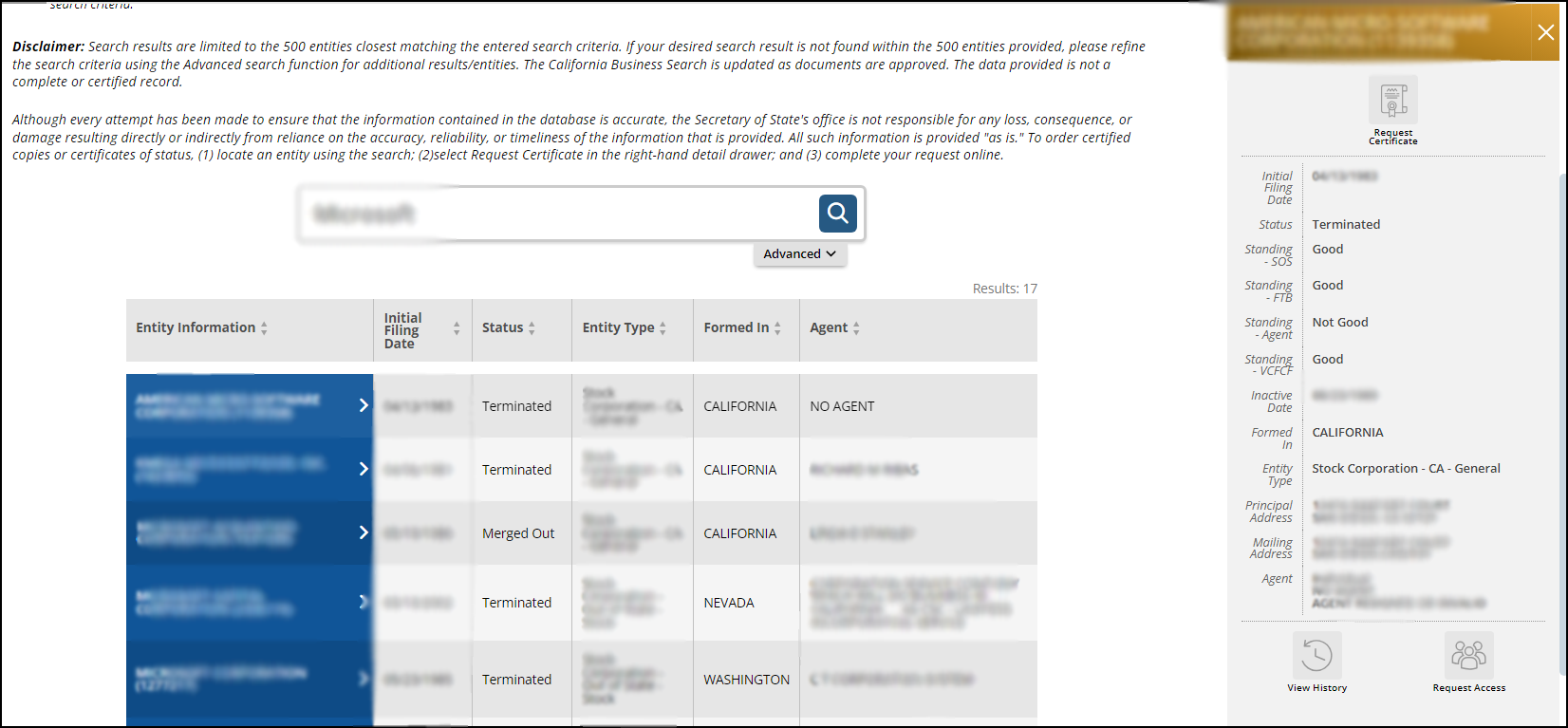
Business directories in Alabama serve as important resources for both new and established corporations. They provide a extensive listing of companies operating in the state, aiding consumers and businesses in locating products and services. Many directories also include additional information about the businesses, such as their formation dates, information on ownership, and financial health, making them a useful tool for networking and establishing partnerships in the state's business landscape.
Navigating an Alabama Business Directory
Finding the Alabama business directory remains crucial for entrepreneurs and consumers alike. This directory serves as a valuable resource for discovering local businesses, services, and corporate entities registered within the state. By accessing this directory, you can readily connect with companies that satisfy specific needs or gain insights about the various operations that contribute Alabama's economy.
When exploring in the Alabama business directory, it is advantageous to know with key terms and categories. The directory is divided into several sections, allowing it simpler to identify specific industries or services. Additionally, understanding the significance of Alabama state corporation filings can assist you assess the credibility and legitimacy of a business before engaging any transactions.
In addition, keeping abreast of Alabama corps and their designations can improve your searching experience. Understanding whether a business is a limited liability company, corporation, or sole proprietorship can inform your choices and expectations. In the end, maximizing the full potential of the Alabama business directory can allow you to make informed decisions, whether you are initiating a venture or seeking services within your community.
Advantages of Leveraging Company Directories
Enterprise listings provide a crucial asset for businesses and customers alike, simplifying the process of locating and linking with businesses. For clients, these directories offer a thorough list of businesses categorized by type, region, or business type. This enables it simpler for interested buyers in Alabama to find local companies that satisfy their demands, ensuring they have availability of options.
For companies, being listed in an state of Alabama enterprise listing increases visibility and improves local search engine rankings. This means that when customers search for services in their area, those providers are better positioned to be identified. Additionally, many listings enable organizations to highlight their products and solutions, post testimonials, and advertise exclusive deals, which can draw in more customers and help build a loyal clientele.
Furthermore, enterprise listings often act as a crucial instrument for startup founders seeking to perform market analysis. The resources deliver data into competitors, industry trends, and customer preferences within Alabama. This data can be extremely helpful for formulating strategies and plans, such as assessing the need for particular offerings or recognizing niches in the sector that a startup company could address.